
Introduction: The Current Landscape of DeFi KYC
As we look toward 2026, the decentralized finance (DeFi) sector faces significant challenges and opportunities, especially regarding Know Your Customer (KYC) protocols. According to Chainalysis, the total value locked in DeFi applications surged to $100 billion in 2023, underscoring the critical need for robust KYC measures to prevent fraud and ensure compliance.
What is DeFi KYC and Why is It Important?
Imagine DeFi KYC like a bouncer at a nightclub. Just as the bouncer checks IDs to keep troublemakers out, KYC processes verify users’ identities to protect the integrity of decentralized platforms. Without this layer of security, investors’ funds are at risk of theft and scams, which could deter new users.
How Will DeFi KYC Evolve by 2026?
One key trend is the rise of cross-chain interoperability. Picture a universal passport that allows you to travel freely across different countries without needing multiple visas. By 2026, interoperability in KYC processes will enable users to interact with various DeFi platforms seamlessly, reducing friction while enhancing security.
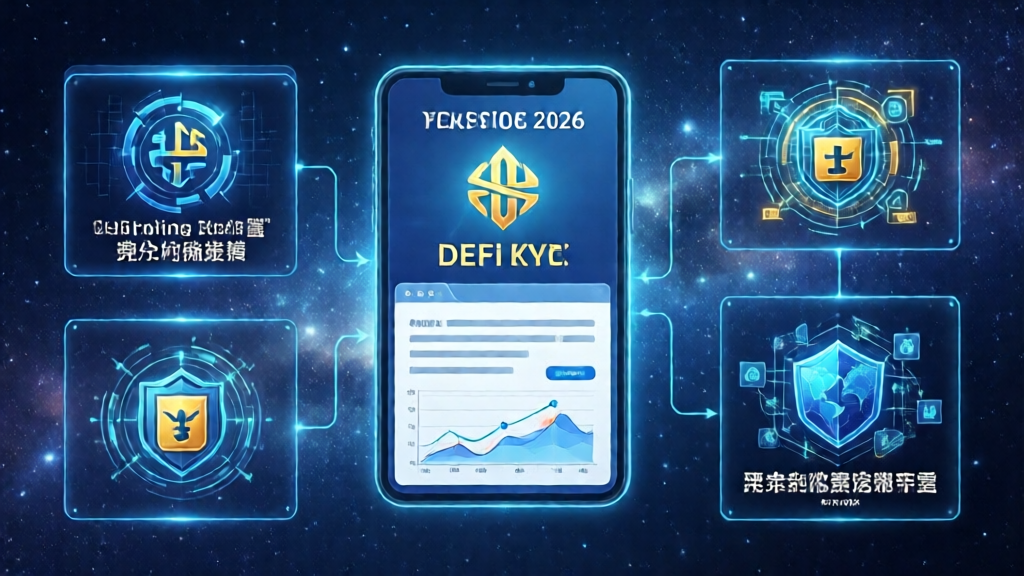
Zero-Knowledge Proofs: The Future of Privacy in DeFi
You might ask, ‘How can I verify my identity without revealing personal info?’ This is where zero-knowledge proofs come into play. Think of it like showing your driver’s license to confirm you’re of legal age without disclosing your full birth date. By employing these proofs, DeFi platforms can achieve compliance without compromising user privacy.
The Role of Regulation and Compliance in DeFi KYC
As governments catch up with the rapid growth of DeFi, regulations like those from the SEC and MAS are becoming crucial. Consider regulations as traffic lights; they control the flow and ensure safety on the roads. In the context of DeFi, adherence to regulations helps platforms operate securely and legally, fostering trust among users.
Conclusion: Preparing for a Secure DeFi Future
To sum up, as we approach 2026, it’s imperative for DeFi frameworks to enhance KYC processes through innovation like zero-knowledge proofs and cross-chain compatibility. For those keen on protecting their digital assets, consider tools like Ledger Nano X, which can reduce the risk of private key exposure by 70%. For deeper insights and resources on navigating DeFi KYC, download our toolkit here.
Disclaimer: This article is for informational purposes only and does not constitute investment advice. Always consult with local regulatory authorities (such as MAS or SEC) before making investment decisions.