

Unlocking the NFT Trading Fees Guide: What You Need to Know
According to Chainalysis 2026 data, NFT transactions are becoming more prevalent, yet many collectors and investors are unaware of the nuances of trading fees. As the NFT market grows, understanding these costs can make all the difference in your investment strategy.
What Are NFT Trading Fees?
NFT trading fees are similar to the tolls on a highway; you need to pay them to access the road, or in this case, the NFT marketplace. These fees can include minting fees, transaction fees, and royalty fees, depending on which platform you’re using. Many investors underestimate these costs, but they can eat into your profits if not managed wisely.
How to Minimize NFT Trading Fees?
You might be wondering how to keep more of your hard-earned money. Think of it as grocery shopping; comparing prices ensures you get the best deal. Use NFT platforms that offer lower fees or promotions. Additionally, consider timing your trades based on network congestion, as fees can spike during peak times.
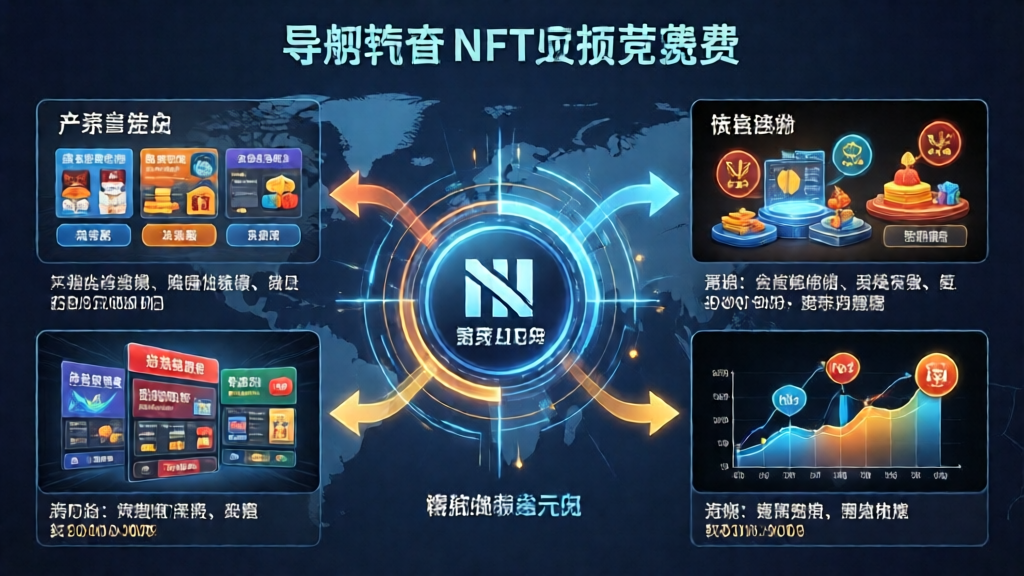
Are Some Platforms Cheaper Than Others?
Yes! Just like different grocery stores have varying price tags, NFT marketplaces have differing fee structures. Platforms like OpenSea and Rarible may charge different fees for the same NFTs. Always research and compare platforms before making a purchase to avoid unnecessary expenses.
What About Gas Fees?
Gas fees can feel like an unexpected toll on your travel route. These are the costs associated with transactions on the Ethereum network (where many NFTs are traded). High gas fees can catch you off guard, especially during times of network congestion. To navigate this, keep an eye on gas fee estimators or consider alternative blockchains that offer lower fees for NFT trading.
In conclusion, understanding NFT trading fees can significantly impact your investment returns. Download our NFT Trading Fees Guide to stay informed and make savvy trading decisions. Remember, investing is not just about what you buy, but also the fees you pay!